Event Recap
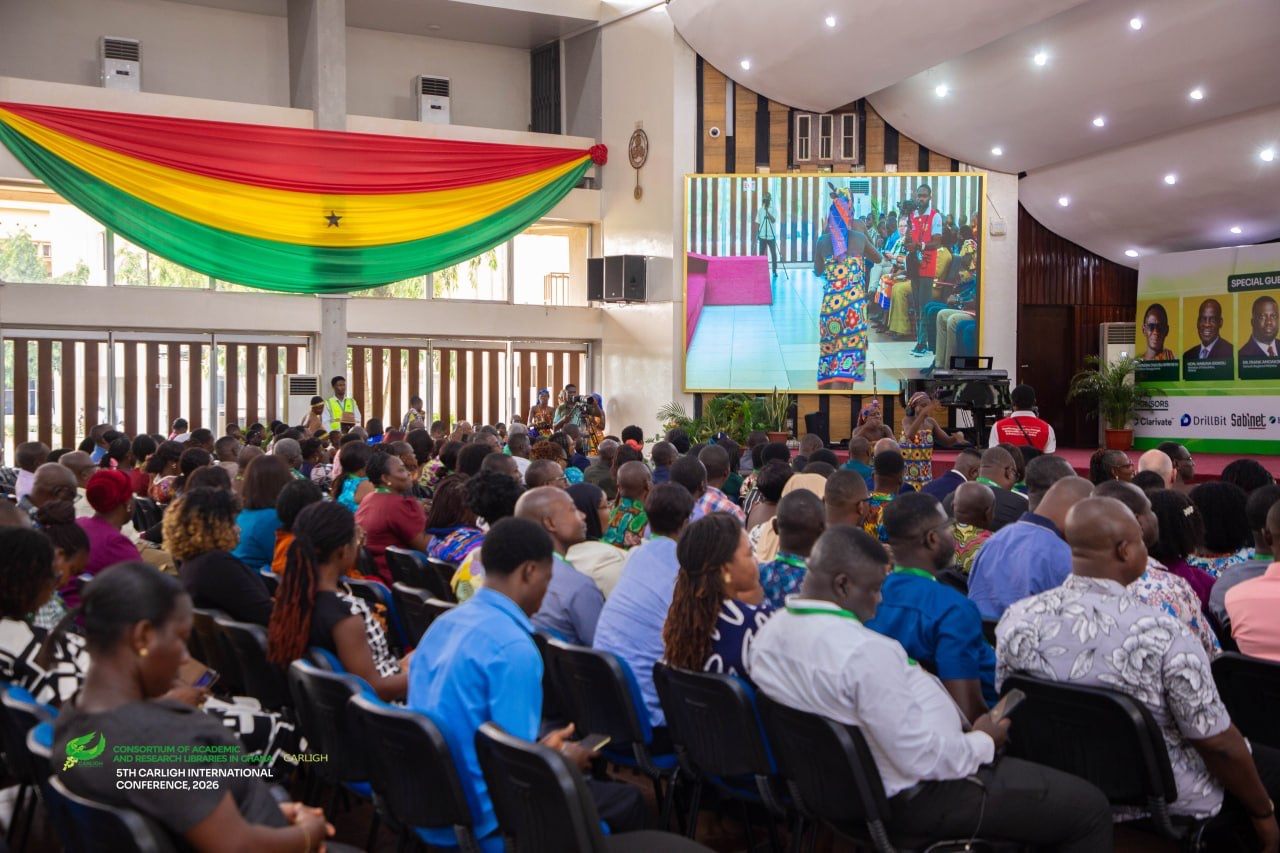
DrillBit participated as a sponsor and exhibitor at the 5th CARLIGH International Conference 2026, held from 4–8 May 2026 at the Kwame Nkrumah University of Science and Technology (KNUST) in Kumasi, Ghana. Themed "The Open Movement in Times of Urgency and Rapid Change", the conference was organised by the Consortium of Academic and Research Libraries in Ghana (CARLIGH) in partnership with KNUST Libraries.
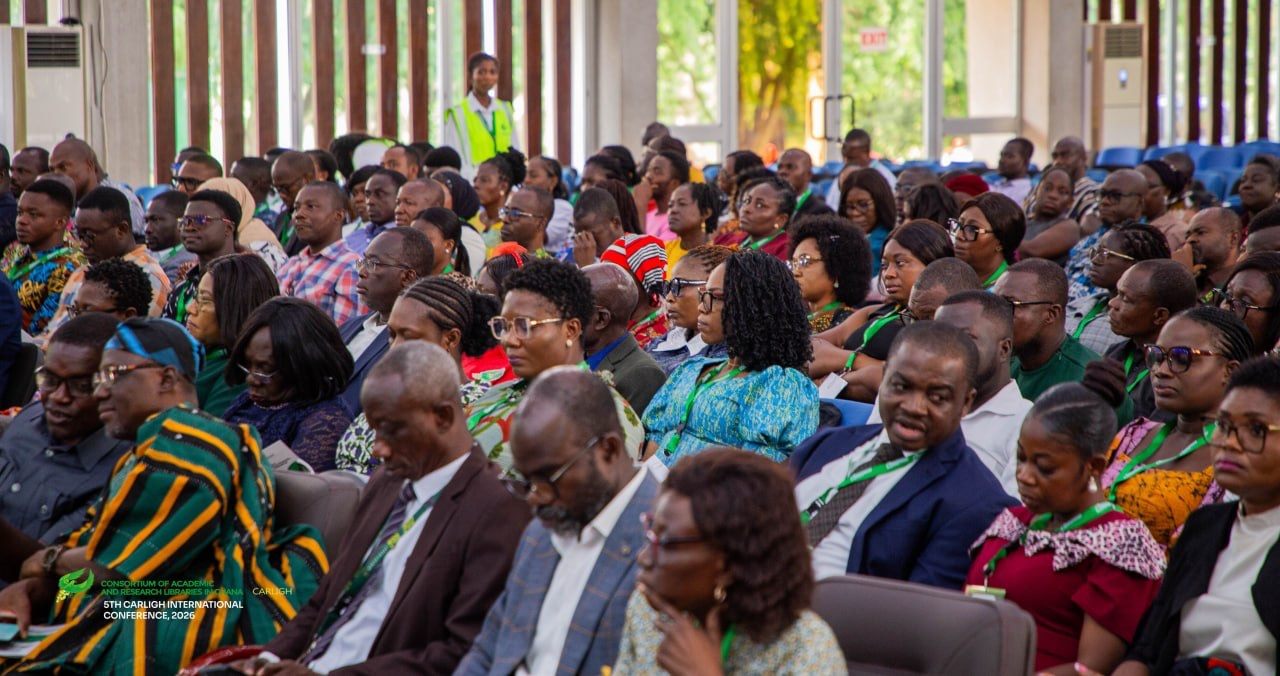
The conference brought together academic and research librarians, information professionals, faculty, and technology partners from Ghana and across West Africa to examine how open science, open access, and open educational resources are reshaping libraries and research communication.
DrillBit's Presence
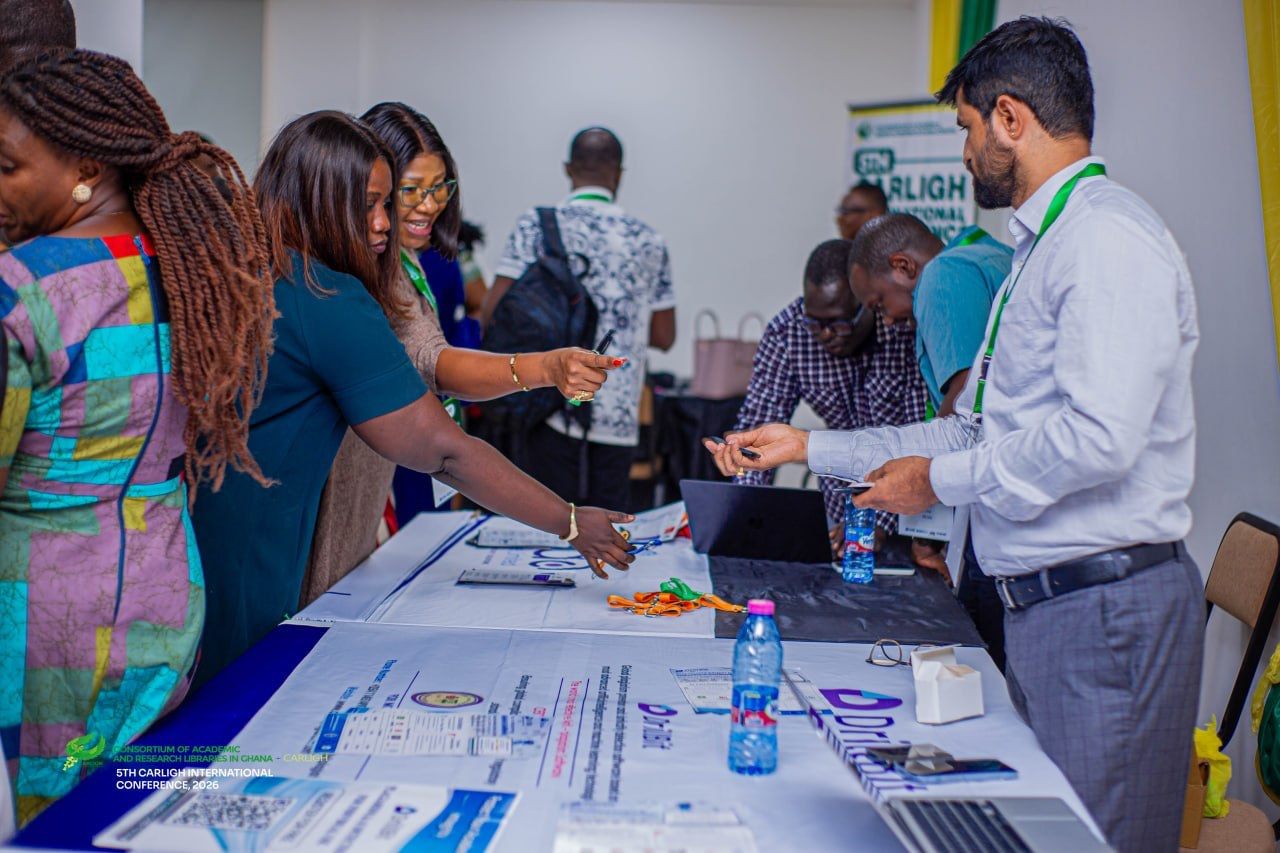
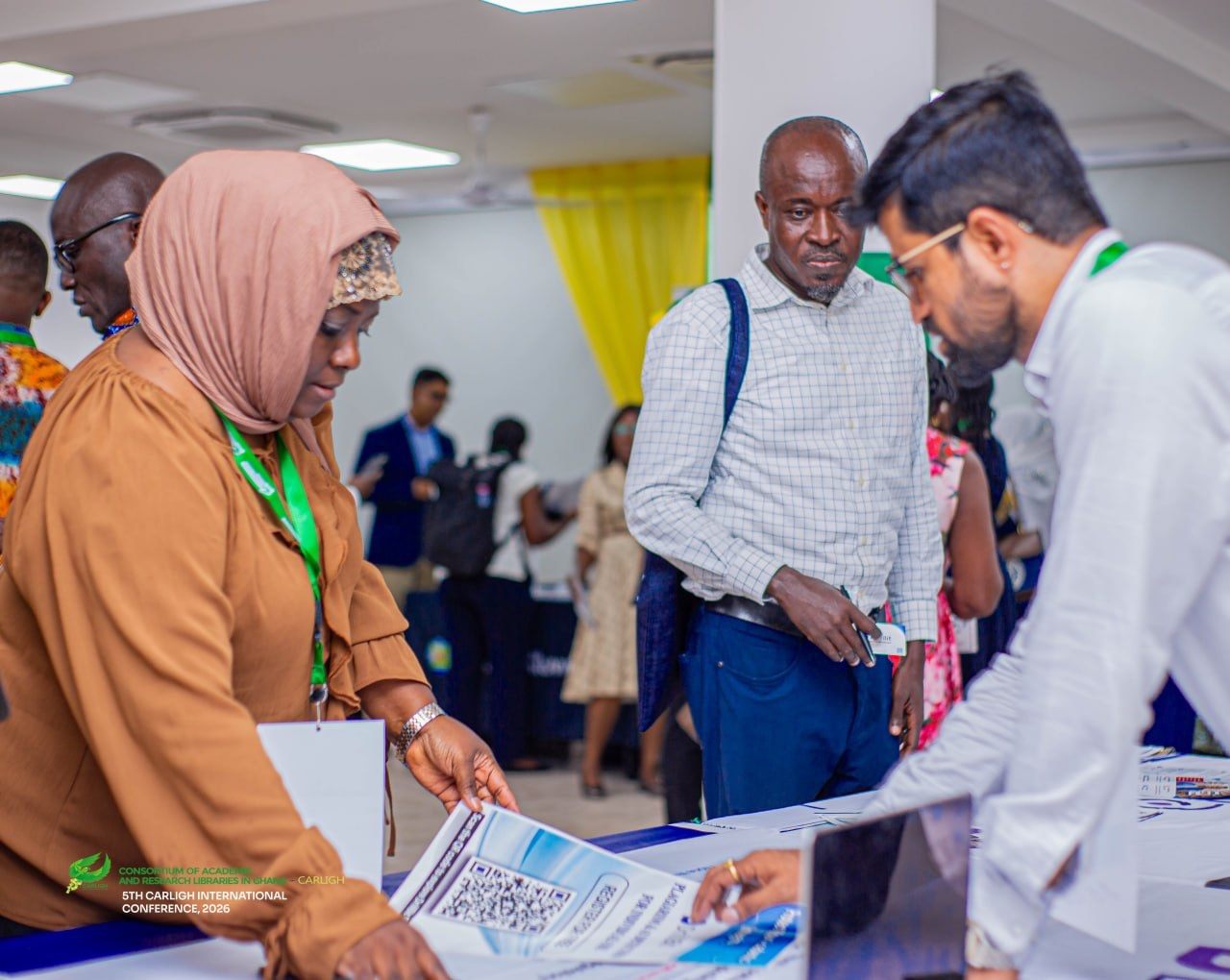
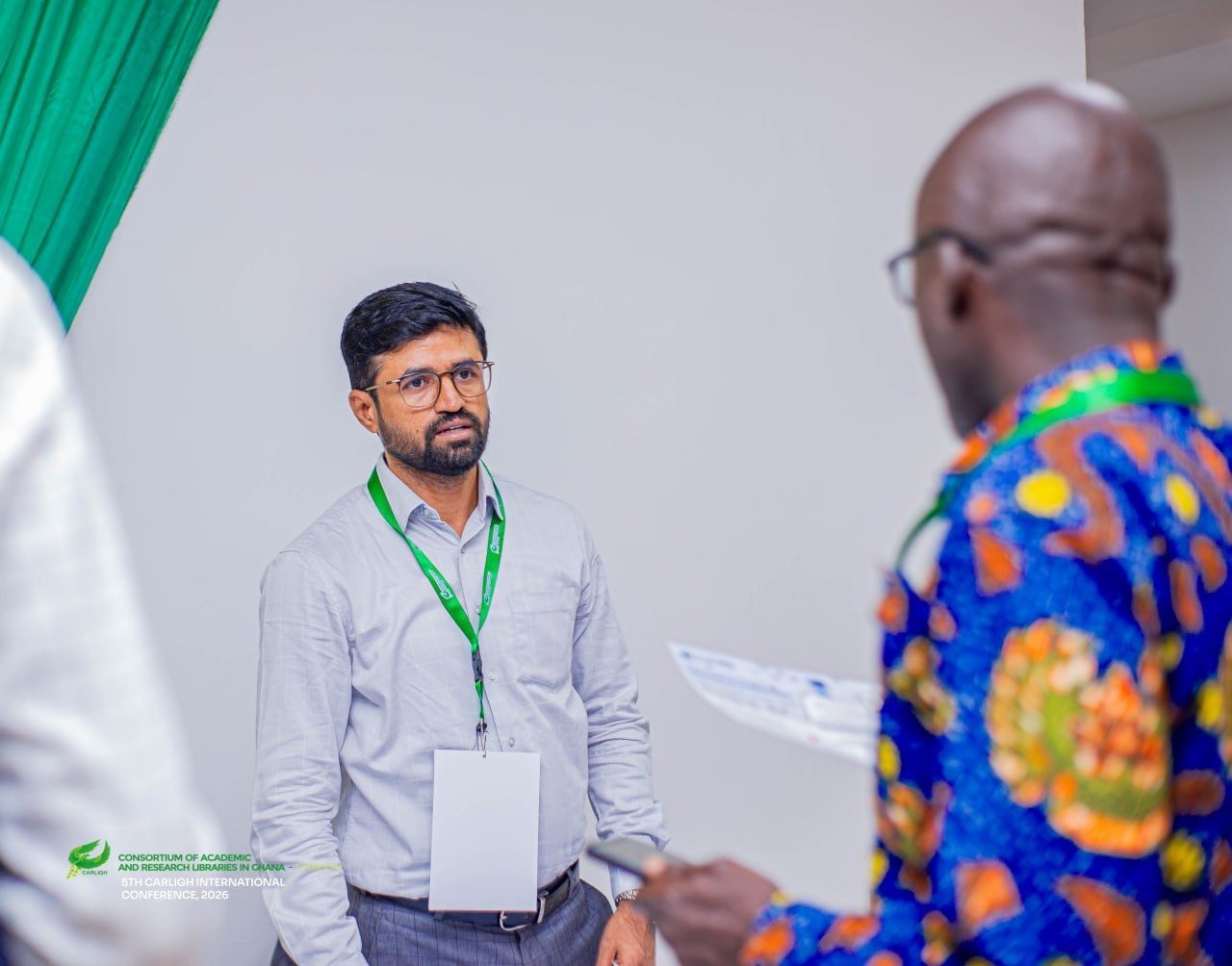
As one of the conference sponsors — alongside leading names in the research and library ecosystem — DrillBit hosted a dedicated exhibition table where delegates explored the platform's plagiarism detection and AI content detection capabilities through live, hands-on demonstrations throughout the conference week.
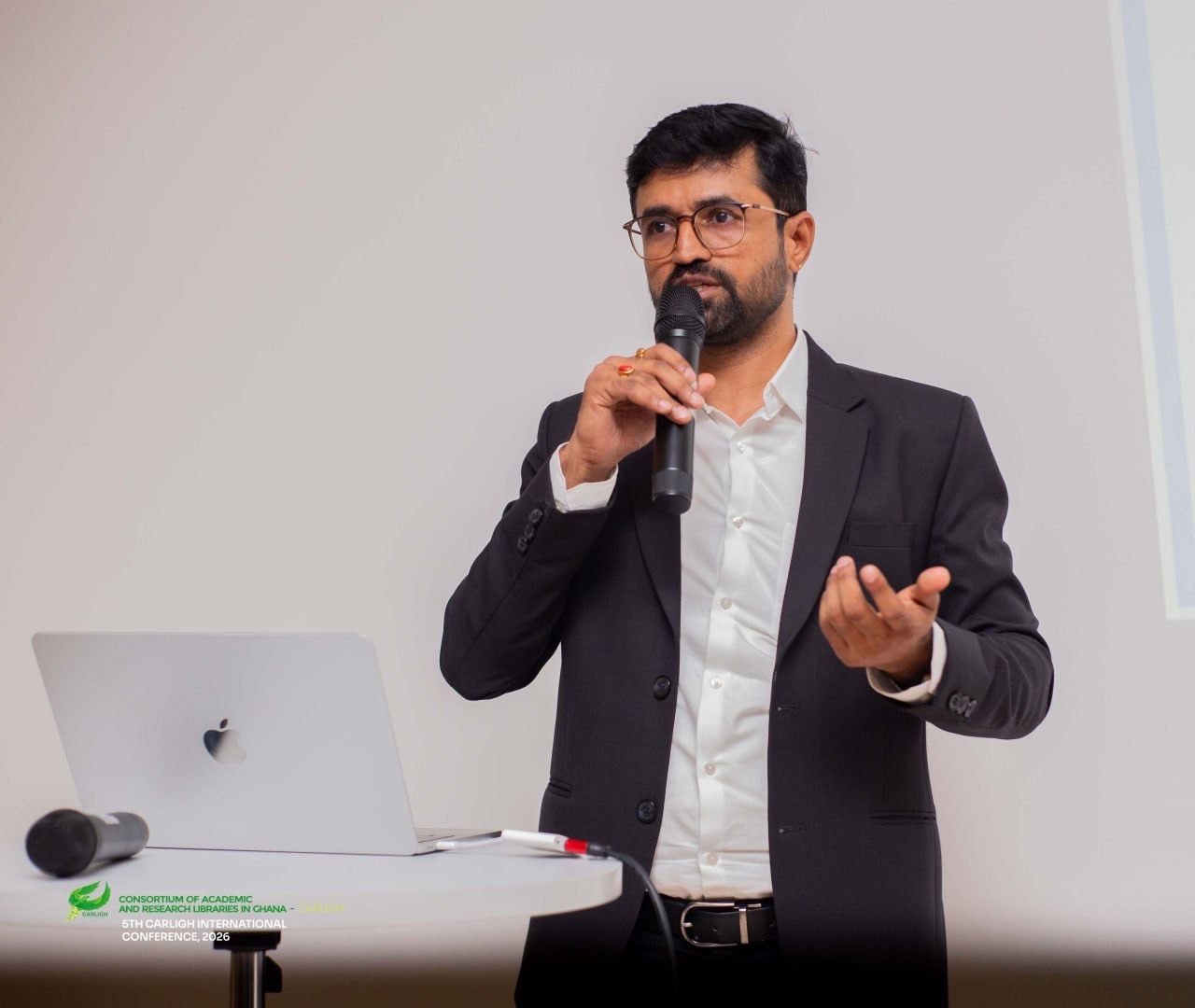
A DrillBit representative also presented to the conference audience, walking delegates through how academic institutions and consortia can embed similarity detection into thesis evaluation, journal publishing, and research workflows. The session drew strong engagement from university librarians and consortium members exploring integrity tools for their institutions.
Openness and integrity go hand in hand — as research becomes more open, the tools that safeguard its originality matter more than ever. CARLIGH 2026 was a powerful reminder of how committed Ghana's academic library community is to both.
— DrillBit Team, CARLIGH 2026Key Takeaways
CARLIGH 2026 deepened DrillBit's engagement with the West African academic community, with strong interest from Ghanaian universities and research libraries in adopting robust plagiarism and AI content detection as part of their open science practices.
Conversations at the DrillBit table highlighted the demand for affordable, institution-wide integrity solutions across the region — and the central role library consortia like CARLIGH play in bringing such tools to their member institutions.